

A garage door operates under extreme tension every time it moves, and when something goes wrong, the system rarely fails all at once. The warning signs appear first, and a homeowner who knows what to look for can call a professional before the damage spreads.
Recognizing the signs of a garage door safety problem early gives homeowners the opportunity to act before a minor issue grows into a full component failure. Professional residential garage door services cover everything from inspections to repairs, and this guide breaks down exactly what to watch for.
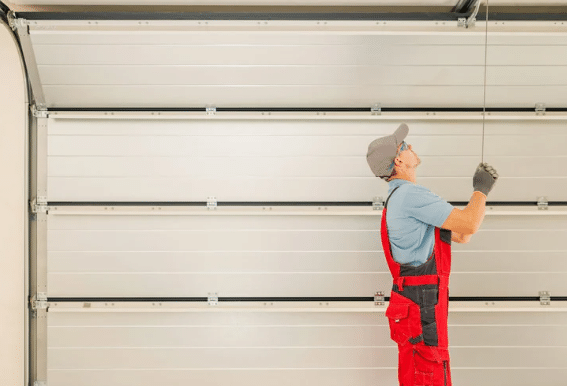
What Are the Most Common Garage Door Safety Hazards Homeowners Face?
Garage doors carry significant mechanical stress on every cycle, and when key components begin to wear, the system produces warning signs that point directly to the source of the problem.
Common garage door safety hazards include:
- Springs that lose tension and cause the door to become unbalanced
- Safety sensors that fall out of alignment and miss objects in the door’s path
- Lift cables that fray under the constant load of the door’s weight
- Track sections that bend or pull away from the wall and disrupt movement
- Garage door opener force settings that override the auto-reverse and allow unsafe closing
To understand the full range of risks that affect a garage door system at every component level, read our guide on What Are Common Safety Issues With Garage Doors?, which covers the specific hazards tied to each part of the door.
Signs of a Garage Door Safety Problem That Demand Immediate Attention
Door Reverses Without Any Obstruction
Faulty sensors are one of the most overlooked garage door sensor problems because the door still moves, but refuses to stay closed.
Signs of a sensor or opener fault include:
- Misaligned photo eyes no longer form a complete infrared beam
- Dirty lenses cause the sensor to misread the closing area
- Direct sunlight interferes with the photoelectric sensor signal
- Incorrect close-force settings trigger a false reversal in the opener
- Wiring faults between the safety sensors and opener cause inconsistent signals
Persistent reversal issues point to a sensor or opener problem that a garage door repair technician can diagnose and correct before the door becomes a hazard.
Door Fails to Close Completely
Limit switch faults and sensor errors are common garage door safety issues that prevent the door from finishing its full closing cycle.
Common signs of an incomplete closing cycle include:
- The bottom of the door hovers above the floor without finishing the cycle
- Opener lights flash repeatedly during a closing attempt
- The closing cycle starts but stops before the door reaches the ground
- The door stops at the same point every time
- The accidental emergency release cord pulls the door disconnect from the opener
A professional can reset the limit switch settings and inspect the full system to confirm the exact cause.
Loud or Unusual Noises During Operation
Unusual noises are direct indicators that mechanical systems inside the door are wearing down and require professional attention.
Listen for these specific sounds:
- Grinding points to worn rollers or insufficient garage door lubricant
- Squeaking comes from dry bearings or unlubricated metal components
- Popping or banging signals broken garage door springs under extreme tension
- Rattling suggests loose bolts, brackets, or panels during operation
- Scraping indicates a garage door track issue, causing panel rubbing
Each sound points to a specific failing component, and a professional inspection confirms which part needs attention.
Heavy or Uneven Door Movement
Uneven movement is a direct sign that the spring system is no longer supporting the door’s weight equally on both sides.
Signs of a balance or tension problem include:
- Jerky movement instead of smooth, consistent travel during operation
- Door tilting or appearing crooked while moving along the tracks
- One side rises faster than the other during operation
- The door feels extremely heavy when lifted manually after disconnecting the opener
- The door drifts back down after being raised instead of holding position
A professional balance test confirms where the tension problem originates and which components need service.
Visible Wear on Springs, Cables, and Panels
Physical damage to garage door components is a direct sign that the system is operating under conditions it was not built to handle.
Visible warning signs to check for include:
- Rusted or stretched springs showing visible gaps or uneven coiling
- Frayed lift cables are beginning to separate along the strands
- Dented or cracked panels affecting alignment and structural support
- Worn bottom seals no longer make full contact with the ground
- Hinges and brackets showing rust, cracks, or bending
Visible damage to any of these components means the door should not be operated until a technician completes a full inspection.
Garage Door Track Issues That Affect Safe Operation
Track problems affect the garage door’s functionality on every cycle and place stress on every connected component with each use.
Track-related warning signs include:
- Visible bends or gaps in the track cause rollers to catch or skip
- The door is rubbing against the frame instead of traveling inside the track
- Rollers jumping out of the track cause the door to hang at an angle
- Track sections pulling away from the wall due to loose mounting hardware
- Debris buildup forces rollers to grind through dirt and grit
Even a minor track deviation compounds stress across the entire system, and garage door track repair restores proper alignment before further damage occurs.
Why These Problems Become Serious Risks When Left Unaddressed
Unaddressed garage door safety issues grow more complex with each cycle the door completes without professional attention.
Risks that develop when warning signs are ignored include:
- Sensor faults remove the door’s only protection against closing on a person or vehicle
- An incomplete closing cycle leaves the home exposed to theft and weather damage
- Worn components transfer stress load to the surrounding parts of the system
- Spring failure can cause the door to drop without warning
- A derailed door poses an immediate physical hazard and becomes fully inoperable
To learn how to evaluate safety features before calling a technician, read our guide on How to Test Garage Door Safety Features at Home, which walks through the checks that reveal problems homeowners commonly miss.
What a Professional Garage Door Safety Inspection Can Reveal
A garage door safety inspection uncovers component failures that normal operation never reveals.
A professional inspection can reveal:
- Remaining spring life before tension drops below safe operating levels
- Auto-reverse force calibration relative to the door’s current weight
- Rollers and hinges worn past the point of reliable performance
- Track has shifted from its original alignment since installation
- Opener logic board communication with the safety sensors
To address the problems an inspection uncovers, read our guide on How to Fix Common Garage Door Safety Issues, which covers the professional repair process for the most common garage door failures.
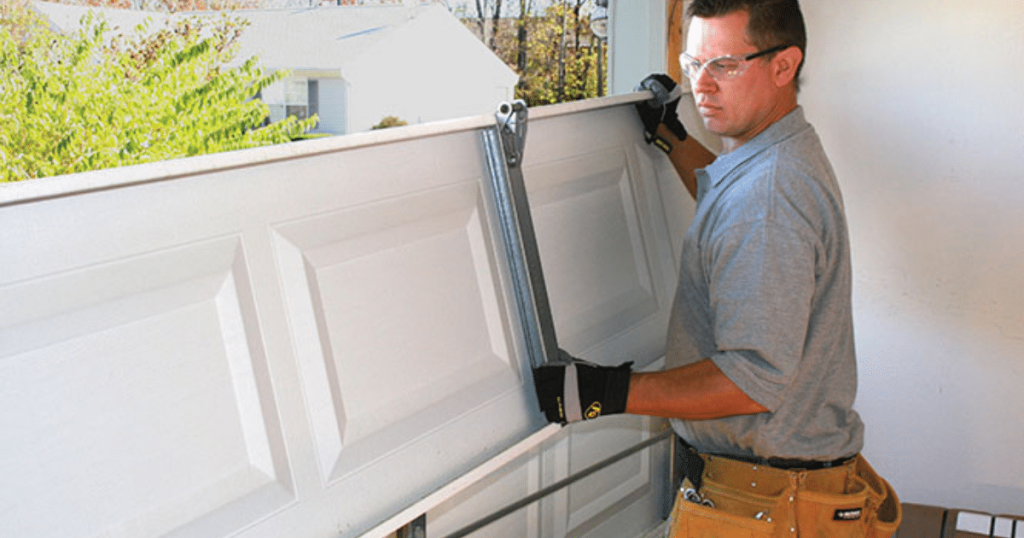
Garage Door Maintenance Checks That Help Detect Problems Sooner
Routine garage door maintenance builds familiarity with how the system operates, making it easier to notice when something has changed.
Maintenance checks that help detect problems sooner include:
- Listen during a full cycle to catch unusual sounds or jerky movement
- Inspect springs, cables, and rollers for rust, fraying, or visible wear
- Disconnect the opener and lift the door manually to test the balance
- Pass an object through the photo eyes during closing to confirm auto-reverse works
- Apply garage door lubricant to rollers, hinges, and tracks regularly
Consistent maintenance checks account for seasonal temperature changes and keep the system in optimal condition year-round.
Address Garage Door Warning Signs Before They Become a Safety Risk
A garage door showing warning signs is communicating that something inside the system has already begun to change. Grinding sounds, reversed door cycles, visible spring wear, and uneven movement are problems that grow more complex with every cycle the door completes without professional attention.
Dodson Garage Door brings expert knowledge of garage door safety problems, from worn springs and faulty sensors to track issues and opener faults, to every inspection and repair performed in Xenia, OH. Our team is ready to assess every warning sign the door presents, so contact us or give us a call today.
Frequently Asked Questions
Can a garage door show warning signs without making any noise?
Yes. Visual signs such as frayed cables, rusted extension springs, bent track sections, and worn rollers are all warning signs that appear without producing any sound. Homeowners who only listen for unusual noises may miss physical damage already affecting the system.
Is it possible for a garage door to fall if warning signs are ignored?
Yes. Failing springs or frayed cables compromise the counterbalance that supports the door's full weight during operation. A door running on damaged components can suddenly drop, posing a direct risk of injury to nearby family members.
What does a blinking garage door opener light indicate?
A blinking opener light typically indicates that the photo-eye sensors are misaligned, obstructed, or experiencing a wiring fault. The number of blinks often corresponds to a specific error code that a technician can use to identify the exact problem.
How can I tell if my garage door is coming off its track?
Visible gaps between the rollers and the track, a door that scrapes along the side of the door frame during operation, and uneven movement where one side lags behind the other are the most recognizable signs. A door showing any of these signs should be taken out of service until a technician inspects the track.
What happens to the garage door opener when mechanical components begin to fail?
Failing mechanical components force the automatic garage door opener to work harder to complete each cycle, which accelerates wear on the motor and internal gears. Professional garage door repair services address the root cause of the mechanical failure before the opener sustains permanent damage.
Can door panel damage affect how the garage door operates?
Yes. Dented or cracked panels alter the door's structural alignment, affecting how evenly it travels along the track. Panels that are severely damaged can create enough misalignment to strain the spring system and rollers during every cycle.
How quickly do warning signs escalate into full mechanical failure?
Warning signs can escalate within days or weeks, depending on how frequently the door is used and how advanced the wear already is. Addressing garage door problems early through regular inspections goes a long way toward preventing sudden breakdowns and property damage.
What is the first warning sign most homeowners notice before a garage door breaks down?
Unusual sounds during operation are typically the first sign homeowners notice, particularly grinding, popping, or scraping that was not present before. Regular maintenance helps homeowners stay familiar with how the door sounds and moves, so any change stands out immediately.
Can a garage door operate normally and still have hidden warning signs?
Yes. A door can complete its full cycle without obvious issues, while springs lose tension, cables develop internal fraying, and track hardware loosens gradually. Keeping up with regular maintenance tasks gives homeowners peace of mind and the best chance of catching hidden warning signs early.