

Garage door safety issues do not fix themselves, and every problem that goes unaddressed puts the door, the home, and the people using it at greater risk over time. Understanding exactly what is wrong and why it matters is the first step toward a proper fix that holds up under daily use.
Professional residential garage door services are equipped to diagnose and resolve these problems correctly the first time, from broken springs and faulty sensors to misaligned tracks. This article covers the most common garage door safety issues, their causes, and how to resolve each problem.
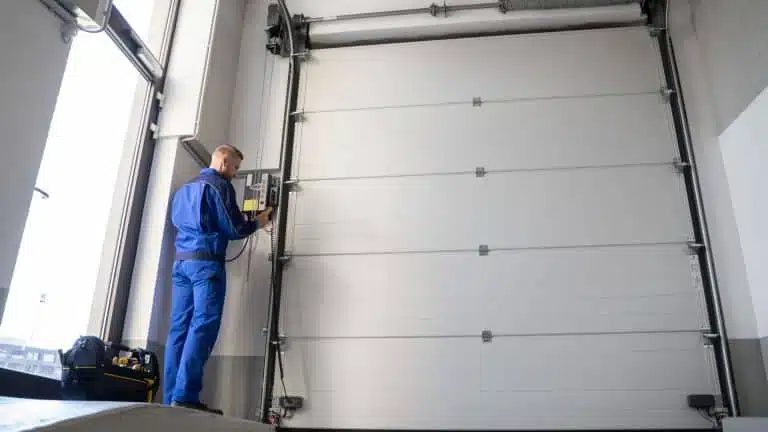
What Are the Most Common Garage Door Safety Hazards?
Garage door safety hazards develop gradually over time, and most homeowners do not notice them until the door shows visible signs of failure or behaves unpredictably during operation.
Common garage door safety hazards include:
- Broken or worn springs that can no longer support the door’s full weight
- Frayed or snapped cables that cause sudden drops or uneven movement
- Misaligned photo eye sensors that fail to detect objects in the door’s path
- Damaged or bent tracks that force the door to bind, jerk, or stop mid-operation
- A malfunctioning auto-reverse system that does not respond when the infrared beam is interrupted
To understand the full scope of what puts a garage door at risk, read our guide on What Are Common Safety Issues With Garage Doors?, which covers the most frequent causes of garage door failure and what they mean for the safety of a home.
How to Address Common Garage Door Safety Issues
Broken Springs and Cables
Broken garage door springs and frayed cables are mechanical failures that affect the door’s ability to move safely through any cycle.
What does addressing broken springs and cables typically involve:
- Identifying whether torsion or extension springs are involved
- Replacing broken springs with correctly rated components
- Inspecting cables for fraying, uneven tension, or anchor point damage
- Checking both sides of the cable system for wear
- Testing the door through full cycles to confirm balanced movement
Broken garage door spring repair and cable replacement involve components under extreme tension that only a garage door technician should handle.
Door Imbalance
Door imbalance is a garage door safety issue that often goes unnoticed until the opener begins to strain or the door moves unevenly.
How a door imbalance issue gets corrected:
- Disconnecting the automatic opener to test the door’s balance manually
- Adjusting or replacing springs if the door fails to hold position at the halfway point
- Checking cables for uneven wear or improper winding on the drum
- Inspecting rollers and hinges for wear, contributing to uneven movement
- Testing the door through multiple cycles to confirm even travel
Proper balance restoration starts with a full inspection of the spring system, cables, and track to pinpoint the exact source of the problem.
Sensor Misalignment and Auto-Reverse Failure
Garage door sensor problems prevent the auto-reverse system from detecting obstructions correctly during every closing cycle.
How sensor misalignment and auto-reverse failure get resolved:
- Repositioning the photo eye sensors until both units face each other correctly
- Cleaning lenses with a soft cloth to remove dirt blocking the infrared beam
- Inspecting wiring connections between the sensors and opener for damage
- Adjusting close-force settings if incorrect sensitivity triggers false reversals
- Confirming the auto-reverse function by placing an object in the door’s path
Faulty sensors and a failed auto-reverse system are garage door repair issues that require a trained technician to diagnose and correct properly.
Worn Rollers, Hinges, and Garage Door Track Issues
Worn rollers, failing hinges, and garage door track issues pull the door out of alignment and disrupt smooth movement through every cycle.
Key repairs involved in addressing track, roller, and hinge problems:
- Replacing rollers showing flat spots, cracks, or excessive wobble
- Tightening or replacing hinges when panels show visible shifting
- Inspecting track sections for bends, dents, or debris
- Repositioning and securing misaligned track brackets
- Applying garage door lubricant to all hardware after repairs
Garage door track repair, along with roller and hinge replacement, brings the door back to proper alignment and restores safe operation across every moving part.
Lack of Clearance and Operational Hazards
Poor clearance management around a garage door creates conditions where accidents are more likely to occur.
Common ways clearance and operational hazards get addressed:
- Relocating objects stored near the door’s path to eliminate interference
- Testing and repositioning the emergency release cord to stay accessible
- Verifying sensor placement to confirm full infrared beam coverage
- Adjusting opener sensitivity settings to match the door’s current condition
- Improving garage lighting to ensure visibility during all hours of operation
Clearance and operational hazards are preventable with consistent awareness of the space the door uses during every cycle.
How to Confirm a Garage Door Safety Issue Has Been Resolved
A completed repair means nothing without verification that the door is back in proper working condition.
Checks to confirm a garage door safety issue has been resolved:
- Watching for jerky movement or uneven travel during full open and close cycles
- Listening for unusual noises like grinding or scraping after the repair
- Placing an object in the door’s path to confirm that the auto-reverse function responds
- Checking that the remote control and wall button operate without delay
- Inspecting the bottom of the door for an even seal against the floor on both sides
To verify every safety feature and know what a passing result looks like, read our guide on How to Test Garage Door Safety Features at Home, which covers each test and what the results mean for the door’s overall condition.
How Regular Maintenance Prevents Recurring Garage Door Safety Issues
Regular maintenance addresses gradual wear that leads to recurring garage door safety issues before they develop.
Maintenance tasks that keep garage door safety issues from returning include:
- Lubricating rollers, hinges, and springs with garage door lubricant to reduce friction and wear
- Cleaning photo eye sensors with a soft cloth to keep the infrared beam uninterrupted
- Tightening loose bolts and hardware on track brackets and door panels
- Testing the door’s balance by disconnecting the opener and checking if it holds at halfway
- Inspecting weatherstripping along the bottom of the door for a proper seal
Consistent garage door maintenance keeps the entire system in optimal condition and reduces the likelihood of recurring problems.
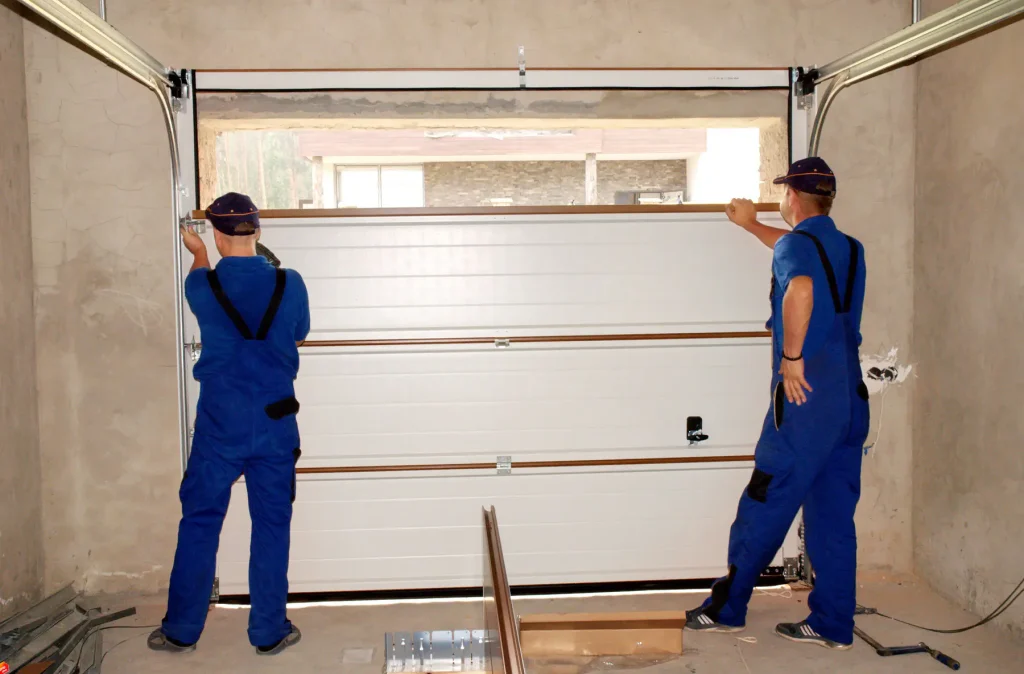
When to Call a Professional for Garage Door Repair Services
Knowing when to call for professional garage door repair services protects the door, the home, and everyone who uses the garage.
Situations that call for immediate professional attention include:
- Visible spring gaps, frayed cables, or a door that dropped suddenly
- A door that fails to reverse when an object is placed in its path
- Grinding, scraping, or banging sounds after a recent impact or weather event
- An opener that sparks, emits heat, or stops responding to the remote control
- A door that cannot be fully closed, leaving the garage exposed
To spot the early indicators that a repair cannot wait, read our guide on Warning Signs of a Garage Door Safety Problem, which covers the most reliable signs that professional attention is needed.
Fix Common Garage Door Safety Issues With the Right Professional Help
Garage door safety issues have proven fixes, and knowing what each repair entails helps homeowners make faster and more informed decisions. Broken springs, faulty sensors, and track misalignment all have solutions that restore safe operation when handled by a trained professional.
Dodson Garage Door handles everything from broken garage door spring repair to full garage door safety inspections, delivering quality workmanship on every job in Xenia, OH. Contact us or give us a call today, and let our team assess what the door needs to return to safe, reliable operation.
Frequently Asked Questions
How long does a typical garage door repair take to complete?
Most standard garage door repair jobs are completed within a few hours, depending on the type and extent of the problem. Complex repairs involving the entire system, such as spring replacement combined with track realignment, may require a longer service visit.
Does fixing one garage door safety issue sometimes reveal other problems?
Yes, addressing one issue often uncovers additional wear or damage in connected components. A garage door technician conducting the repair will typically inspect the surrounding mechanical systems to confirm no related problems were contributing to the original failure.
Is it possible to prevent most garage door safety issues through regular maintenance alone?
Yes, regular maintenance goes a long way toward preventing the most common garage door safety issues from developing. Consistent maintenance tasks like lubricating moving parts, cleaning photo eye sensors with a soft cloth, and checking the door's balance help keep every component in optimal condition.
What is the difference between a garage door adjustment and a full garage door repair?
An adjustment typically involves fine-tuning existing components such as spring tension, opener force settings, or sensor alignment without replacing any parts. A full garage door repair involves replacing damaged or worn components that can no longer perform their function safely.
How does a homeowner know when a garage door safety inspection is overdue?
Unusual sounds during operation, jerky movement, or a door that hesitates before responding to the remote control are all signs that a garage door safety inspection is overdue. Scheduling an inspection at least once a year helps keep the door operating safely and identify minor issues before they require more extensive repairs.
Can faulty sensors on an older garage door be replaced without upgrading the entire opener?
Yes, photo-eye sensors on most older automatic garage door opener models can be replaced independently without replacing the entire opener. A garage door technician can confirm compatibility and install updated safety sensors that restore proper infrared beam function across the door's path.
What happens to the weight of the door when the garage door springs are not replaced promptly after breaking?
When a broken spring is not replaced, the automatic opener is forced to carry the full weight of the door without the counterbalance that springs provide. This places extreme tension on the opener motor, cables, and drive system, accelerating wear on the largest moving parts.
Are modern garage doors easier to repair than older models?
Yes, modern garage doors are generally designed with more accessible components and standardized parts, making repairs more straightforward. The code technology built into newer automatic openers also provides diagnostic indicators that help a garage door technician identify the source of a problem more quickly.
Can a garage door that has come off its track be repositioned without replacing the track?
Yes, a door that has come off its track can often be repositioned if the track itself is not bent or structurally damaged. A garage door technician will inspect the full length of the track, rollers, and hinges before determining whether repositioning alone restores safe operation or whether replacement is needed.