

Testing garage door safety features at home is the most direct way to confirm that every part of the system is doing its job before a failure puts someone at risk. A door that looks and sounds fine during daily use can still have components that are worn, misaligned, or no longer functioning at full capacity.
Knowing how to run these checks gives homeowners a clear picture of what is working and what needs professional attention from a residential garage door service. Routine testing ensures every safety feature across the entire system performs at the level the door was built to maintain year-round.
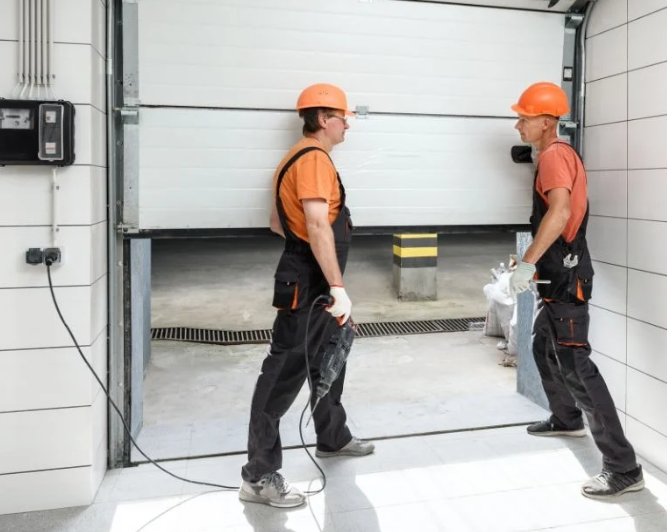
Why Does Testing Garage Door Safety Features Matter?
Garage door safety features operate under mechanical stress with every cycle, and even components that appear fully functional can deteriorate and fail without warning if they go untested for too long.
Reasons regular testing is essential for every household include:
- Auto-reverse mechanisms lose sensitivity and fail to stop the door in time
- Photo eye sensors shift out of alignment and leave the infrared beam unreliable
- Garage door springs weaken gradually without producing unusual sounds
- The emergency release cord can seize if it goes untested for extended periods
- An unbalanced door puts excess strain on the automatic garage door opener
To understand the full range of risks that affect a garage door system at every component level, read our guide on What Are Common Safety Issues With Garage Doors?, which covers the specific hazards tied to each part of the door.
What Garage Door Safety Features Need Regular Testing?
A fully functional garage door relies on several key components working together to protect everyone in and around the garage.
| Safety Feature | What It Does |
| Auto-Reverse Mechanism | Stops and reverses the door upon contact with an object in its path |
| Photo Eye Sensors | Detects movement below the closing door using an infrared beam |
| Emergency Release Cord | Allows manual operation of the door during power outages |
| Garage Door Springs | Carries the full weight of the door and maintains balance during operation |
Testing these features regularly confirms the garage door system is fully protected and operating at full capacity.
How to Perform a Garage Door Safety Test on Each Feature
Auto-Reverse Mechanism Test
Placing a solid object in the door’s path confirms whether the auto-reverse mechanism responds correctly during a closing cycle.
Steps to perform this test:
- Place a 2×4 board flat on the ground at the center of the garage floor
- Activate the close function using the remote control or wall panel
- Watch the bottom of the door make contact with the board
- The door must stop and reverse immediately upon contact
- Call a garage door technician if the door fails to reverse
A door that does not reverse on contact has a compromised safety feature that a professional garage door replacement technician needs to evaluate immediately.
Photo-Eye Sensor Test
Photo eye sensors send an infrared beam across the opening, and confirming that beam triggers a proper reversal is fundamental to garage door safety.
Steps for testing photo eye sensors include:
- Open the garage door fully before starting the test
- Press the close button and wave a broomstick through the sensor beam
- The door must stop and reverse the moment the beam is interrupted
- Check that the LED lights on both photo eyes are solid and not blinking
- Wipe each sensor lens with a soft cloth if the beam fails to register
Sensor units that fail this test indicate a garage door sensor problem that a technician needs to inspect and correct.
Emergency Release Cord Test
Pulling the red cord confirms that the door operates manually when the automatic opener is unavailable due to a power outage or mechanical failure.
Steps for testing the emergency release cord include:
- Pull the red cord straight down to disconnect the door from the opener trolley
- Lift the door manually to confirm it moves without resistance
- Release the door at waist height to verify it holds its position
- Pull the cord back toward the door to reconnect it to the trolley
- Contact a professional if the door feels unusually heavy or refuses to stay open
A door that cannot be lifted manually or hold its position signals a spring or cable issue that requires professional inspection.
Spring Balance and Door Weight Test
Garage door springs carry the full weight of the door on every cycle, and checking the door’s balance reveals whether the spring system is performing at full capacity.
Steps to test the spring balance and the door weight:
- Disconnect the automatic opener by pulling the emergency release cord
- Lift the door manually to about waist height and release it
- A balanced door holds its position without rising or dropping
- Visible gaps in the torsion spring or a door that drops quickly signal spring damage
- Never attempt to adjust garage door springs without professional help due to extreme tension
A door that fails this test has a spring system that needs broken garage door spring repair from a trained technician to restore proper working order.
What Garage Door Safety Hazards Do These Tests Reveal?
Failed tests expose underlying garage door safety hazards that have been developing across multiple components without any visible sign.
Common hazards these tests reveal include:
- Faulty sensors that no longer detect movement in the door’s path
- Worn garage door springs that cause uneven movement and door imbalance
- Garage door track issues that create binding and irregular travel
- An emergency release cord that has seized and cannot disengage the opener
- An auto-reverse mechanism that no longer responds to contact or obstruction
To identify the early warning signs that appear before these hazards reach a critical point, read our guide on Warning Signs of a Garage Door Safety Problem, which walks through the indicators homeowners most often overlook before a failure occurs.
When to Call Garage Door Repair Services in Xenia, OH
Test results pointing to spring damage, sensor failure, or mechanical faults require professional garage door repair services to diagnose and correct.
Signs it is time to call a professional include:
- The auto-reverse mechanism fails to stop and reverse the door upon contact with an object
- The door drops freely during the balance test, signaling a worn or broken spring
- Photo eye sensors fail to trigger a reversal even after cleaning and realignment
- The emergency release cord cannot disengage the opener, or the door cannot be lifted manually
- Unusual noises and visible track or spring damage appear during manual operation
Professional garage door repair services in Xenia, OH, restore garage door safety by addressing every component the test results flagged.
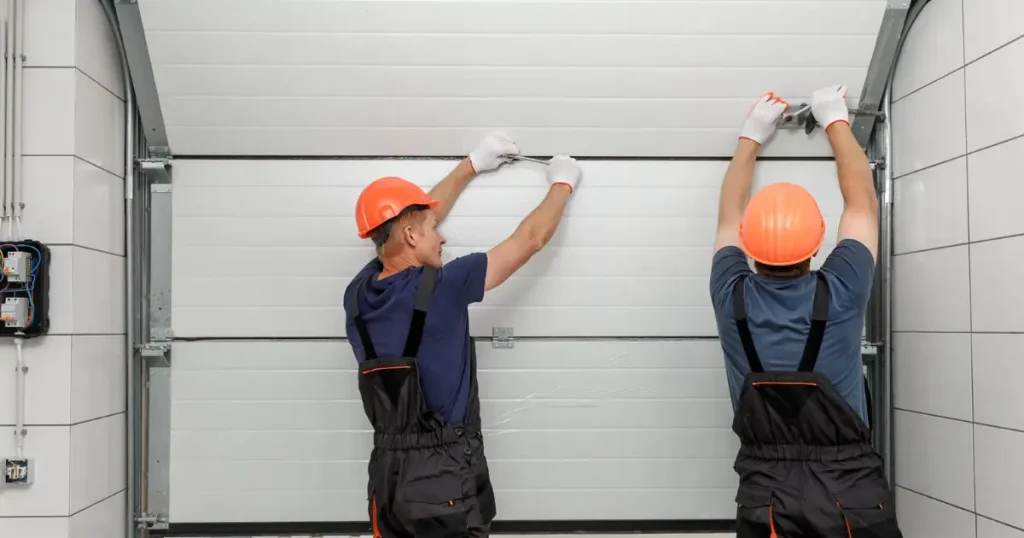
How Professional Garage Door Services Restore Safe Operation
Trained technicians bring the tools, parts, and hands-on experience needed to address every problem that home testing uncovers across the garage door system.
What professional garage door services cover:
- Full spring system inspection and tension adjustment to restore door balance
- Track realignment and roller replacement to eliminate binding and irregular movement
- Sensor calibration and wiring inspection to confirm that the infrared beam functions correctly
- Opener force and limit adjustments to restore auto-reverse sensitivity
- Comprehensive garage door maintenance to keep every component performing at full capacity
To learn how professionals address the specific problems that testing uncovers, read our guide on How to Fix Common Garage Door Safety Issues, which covers the most common repairs and what the correction process looks like from start to finish.
Start Testing Garage Door Safety Features at Home and Know What to Do Next
Testing garage door safety features at home gives every household a clear picture of how well the system protects people and property inside. Running through each check regularly ensures that every component, from the photo-eye sensors to the garage door springs, is operating at full capacity.
Dodson Garage Door serves homeowners throughout Xenia, OH, with professional safety inspections and dependable garage door repair services designed to keep every feature test-ready. Contact us or give us a call today, and let our team assess what the system needs to keep all safety features performing at their best.
Frequently Asked Questions
How do I know if my garage door opener is affecting the auto-reverse test result?
A door opener with incorrect force settings can prevent the auto-reverse from triggering properly, even when the mechanism itself is intact. A garage door technician can recalibrate the opener's force and limit settings to restore garage door safety across the entire system.
What should I do if the red cord does not pull down smoothly?
Contact a professional before using the door again, as a stiff or stuck emergency release cord signals a mechanical problem inside the opener trolley. Forcing the red cord can disconnect components, making manual door operation unsafe.
Is it normal for photo eyes to need frequent realignment?
No, and photo eyes that consistently fall out of alignment point to an underlying garage door sensor problem rather than a simple adjustment issue. A garage door safety inspection can identify whether the mounting brackets, wiring, or sensor housing are contributing to the recurring misalignment.
How does door balance relate to overall garage door safety?
The door balance directly affects the strain the automatic garage door opener experiences during each cycle. A door that fails the balance test places the full weight of the door on the opener motor and cables, accelerating wear on the largest moving parts of the system.
What is the difference between the photo-eye sensor test and the auto-reverse test?
The photo-eye sensor test checks whether the infrared beam between the photo-eyes prevents the door from closing before contact is made. The auto-reverse test checks whether the mechanical system stops and reverses the door after physical contact with an object in the door's path.
Can broken garage door springs affect the outcome of the balance test?
Yes, and broken garage door springs are the most direct cause of a failed balance test in most households. When a spring loses tension or breaks entirely, the door's balance shifts, and the opener can no longer move it without carrying the door's full unassisted weight.
How do faulty sensors affect the functionality of a garage door?
Faulty sensors disable the infrared beam protection, preventing the door from closing when movement is detected below it. Unresolved garage door sensor problems pose a risk of injury to family members, pets, and anyone in the door's path during operation.
Does regular testing replace the need for professional garage door maintenance?
No, and regular testing and professional garage door maintenance serve two different purposes in keeping the system in optimal condition. Home testing confirms whether safety features are responding correctly, while professional maintenance addresses the internal adjustments and lubrication that testing alone cannot cover.
At what point does a failed test result mean a new garage door is needed?
A single failed test rarely points to the need for a new garage door on its own. Multiple simultaneous failures across the spring system, safety sensors, and mechanical systems during the same inspection are the clearest indicators that a full evaluation from a garage door technician is warranted.